Will Cybersecurity Be Replaced by AI?
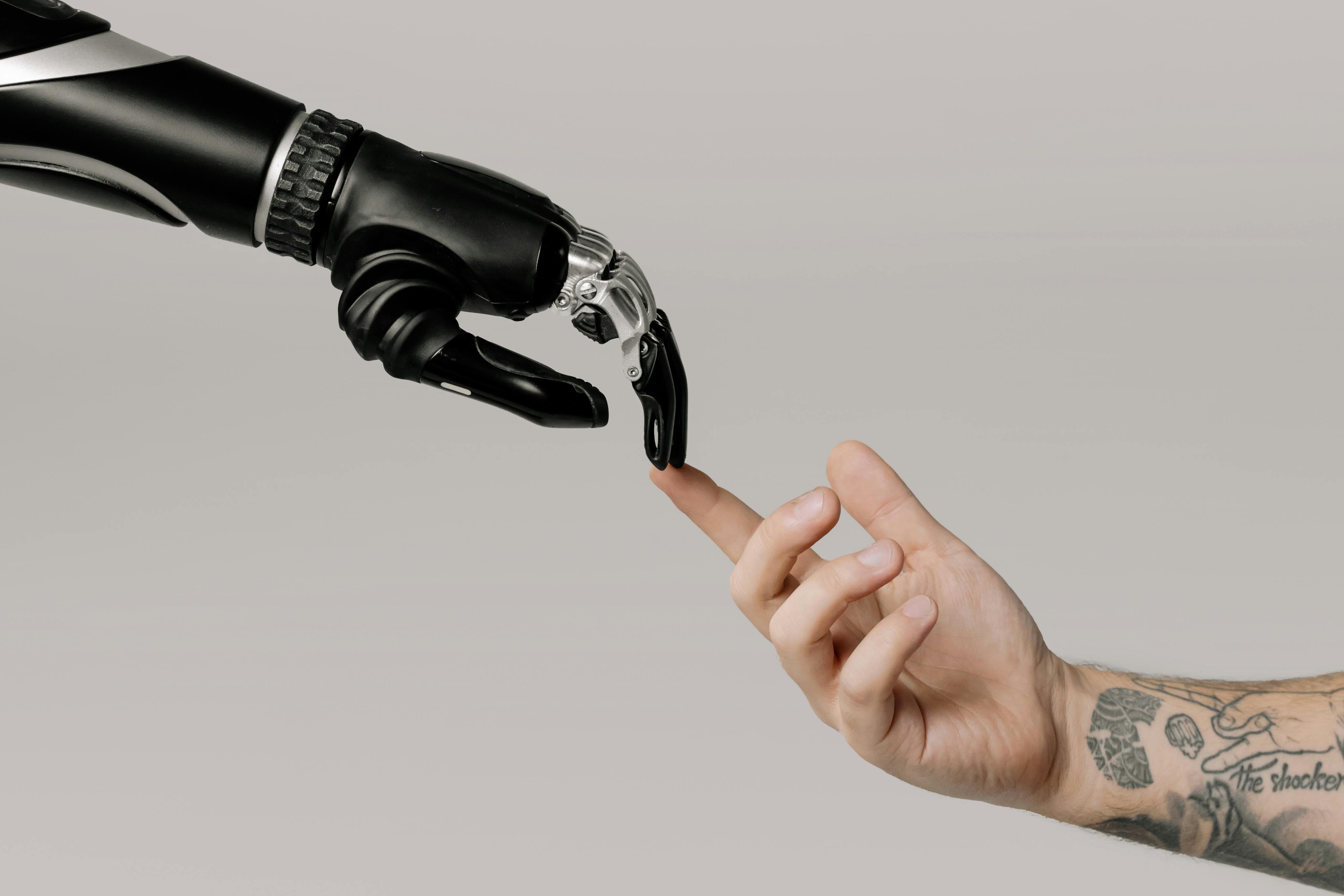
Artificial intelligence is reshaping cybersecurity at incredible speed. Tools that once required a full security team can now be automated, analysed and prioritised by machine learning. So the natural question is: will AI eventually replace cybersecurity entirely?
The short answer: No — but it will replace the old way of doing cybersecurity.
The long answer: AI will become the engine, and humans will steer the ship.
Introduction: The Big Fear — Will AI Make Cybersecurity Jobs Obsolete?
AI already runs inside modern security platforms. It parses telemetry, correlates alerts, and sifts through billions of events faster than any analyst. Yet despite the hype, organisations quickly discover a limit: automation is powerful, but it cannot run the security programme alone.
Humans still define the risk appetite, design policies, and explain incidents to executives and customers. The future is not “AI versus humans”, but AI plus humans working in sync.
What AI Can Already Do in Cybersecurity
AI is no longer experimental. It operates in production security stacks today, and its capabilities continue to grow.
1. Real-time threat detection at massive scale
AI can analyse logs, network traffic and behaviour patterns far faster than any human team. It can flag anomalies such as:
- Malware activity
- Suspicious login sequences
- Lateral movement
- Data exfiltration attempts
2. Automated vulnerability scanning
Tools like FYND already use machine intelligence to:
- Crawl external attack surfaces
- Detect exposed ports, DNS issues, expired certificates and weak headers
- Prioritise risks
- Generate reports instantly
What used to take hours now takes seconds.
3. Predictive security
Machine-learning models can forecast likely attack vectors based on historical patterns. This enables:
- Preventing ransomware
- Blocking phishing attempts
- Identifying zero-day behaviour patterns before the exploit is known
What AI Still Cannot Replace
Even world-class AI struggles with tasks requiring judgement, creativity or accountability.
1. Understanding business impact
AI can flag a vulnerability — but it cannot understand:
- A company’s risk appetite
- Industry context
- Customer expectations
- Financial impact
Humans make the final decisions.
2. Ethical and strategic decision-making
AI does not have responsibility or liability. Cyber risk decisions still require human oversight and sign-off.
3. Creative, adaptive thinking
Hackers innovate constantly. They exploit psychology, human mistakes and unexpected loopholes. AI is great at patterns. Humans are great at breaking patterns.
4. Communication and persuasion
Cybersecurity is ultimately a people problem. AI cannot replace:
- Security awareness training
- Executive conversations
- Business alignment
- Negotiation during incidents
The Future: AI + Humans Working Together
AI will not replace cybersecurity — it will reshape it.
1. AI takes over repetitive analysis
Examples:
- Log correlation
- Continuous monitoring
- Risk scoring
- Vulnerability scanning
- Noise reduction in alerts
2. Humans focus on high-value work
Such as:
- Incident response leadership
- Policy and governance
- Architecture decisions
- Compliance
- Human training
- Interpreting risk in business terms
3. Small businesses gain enterprise-level protection
This is where platforms like FYND play a key role. AI-powered scanning makes cybersecurity accessible, affordable and continuous for companies that cannot hire a full security team.
So, Will AI Replace Cybersecurity?
Short answer:
No. AI will not replace cybersecurity.
Realistic answer:
AI will replace the manual, slow, reactive parts of cybersecurity — and empower humans to make smarter, faster decisions.
Cybersecurity becomes a partnership: AI handles the scale; humans handle the strategy.
What Businesses Should Do Now
To stay ahead, companies should:
- Use AI tools to automate external scanning
- Prioritise fixing public-facing risks
- Train staff on modern attacks
- Build policies AI can reinforce
- Combine human judgement with automated monitoring
Tools like FYND make this simple: continuous scanning, instant visibility and early warnings before issues become breaches.
FAQ
Does AI make cybersecurity easier?
Yes — AI automates the hardest parts of monitoring and detection.
Can AI stop all attacks?
No. Many attacks exploit human error, not just systems.
Should small businesses use AI in security?
Absolutely. AI provides enterprise-grade visibility at a fraction of the cost.
Will cybersecurity professionals lose their jobs?
No — but their roles will shift toward strategy and oversight rather than manual analysis.